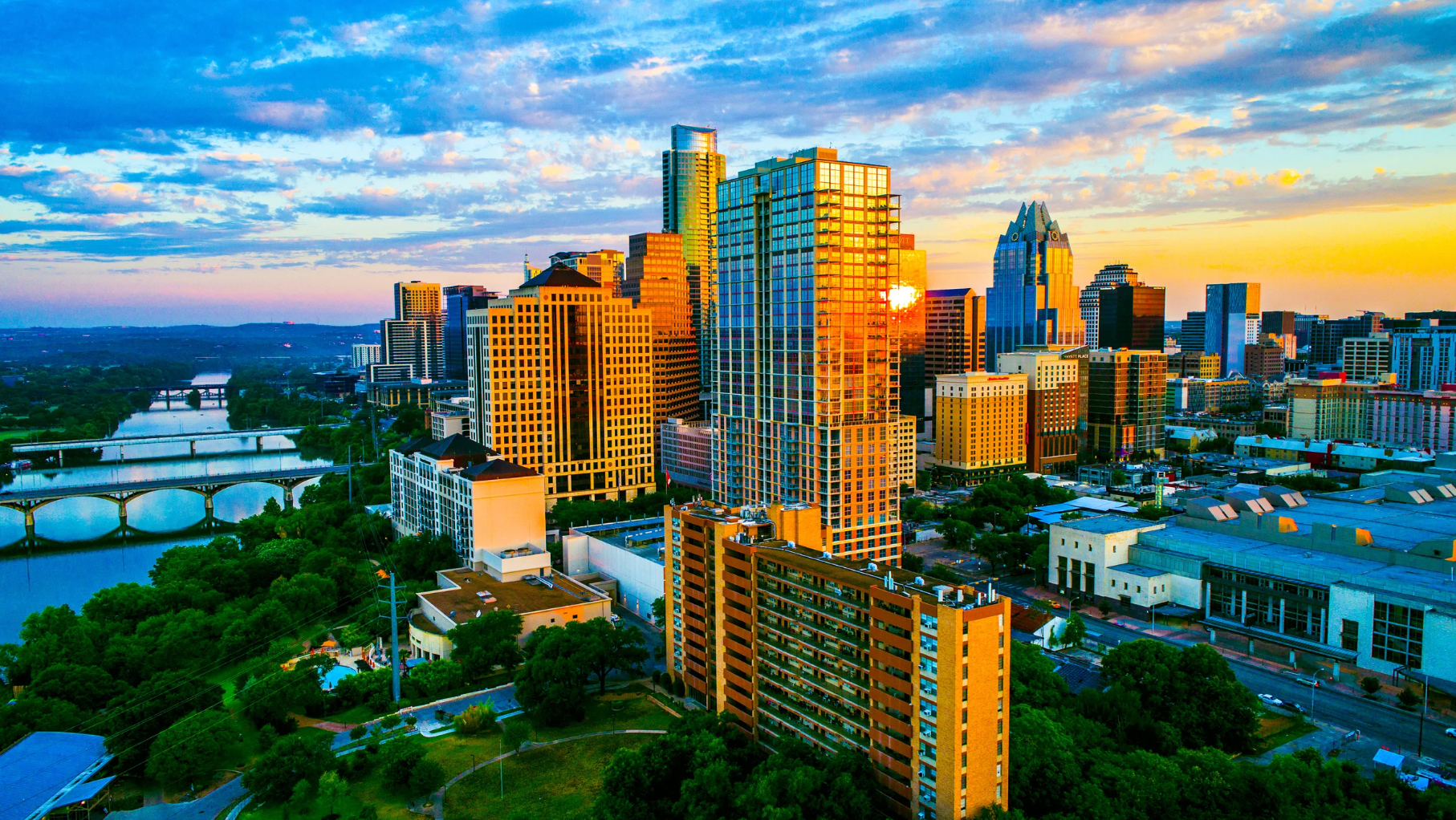
You’ve heard the buzz about Austin, but what’s the real story? Everyone seems to have an opinion about this city. Some swear it’s losing its charm, others claim it’s the best-kept secret in America. The truth lies somewhere in between, and if you’re thinking about visiting, you deserve to know what actually awaits you.
Austin sits at an interesting crossroads right now. It’s growing fast, changing constantly, and somehow managing to hold onto pieces of what made it special in the first place. Whether you’re considering a weekend trip or wondering if this could be your next home, understanding what Austin actually offers, not the postcard version, but the lived reality, helps you decide if it’s worth your time.
Where is Austin, Texas, on a Map?
Central Texas doesn’t get much attention until people start talking about Austin. The city sits almost dead center in the state, about three hours from the Gulf Coast and roughly the same distance from the Mexican border. Most people fly into Austin-Bergstrom International Airport, which connects the city to major hubs across the country.
The location matters more than you might think. Austin acts as a midpoint between the dense urban sprawl of Dallas and Houston and the wide-open spaces that define most of Texas. You can be downtown surrounded by high-rises one minute, then drive twenty minutes and find yourself on a ranch road with nothing but live oaks and grazing cattle.
The Colorado River runs through the heart of the city, creating a series of lakes that give Austin a different feel from most Texas cities. These lakes, really sections of the river held back by dams, provide the water recreation that draws people out on weekends. The Hill Country starts its gentle roll west of the city, offering terrain that breaks up the flatness most people associate with Texas.
How Big is Austin, Texas?
Austin sprawls. The city proper contains a significant population, but the real story lies in how far the metro area extends. People commute from towns thirty or forty miles away, and traffic reflects that reality. The city keeps annexing surrounding areas, pushing its boundaries outward year after year.
The growth shows everywhere you look. Cranes dot the skyline, new neighborhoods pop up in areas that were ranchland a few years ago, and the infrastructure struggles to keep pace. Austin feels like a city in transition, caught between its laid-back past and a future nobody can quite predict.
Downtown remains relatively compact and walkable compared to other Texas cities, but getting between neighborhoods usually requires a car. Public transit exists but doesn’t cover enough ground to be truly practical for most residents. The city’s layout follows the river and the highways, creating pockets of density separated by stretches of development.
What is There to Do in Austin, Texas, Today?
Music venues pack the calendar every night of the week. You can catch everything from blues to punk to experimental electronic music without trying hard. The scene runs deeper than the famous festival that happens every spring, with local clubs hosting touring acts and hometown favorites seven days a week.
Food defines much of Austin’s identity. Barbecue joints draw lines that snake around buildings, food trucks serve cuisines from every corner of the globe, and restaurants open and close at a dizzying pace. The breakfast taco alone could warrant an entire conversation about what makes Austin different from other Texas cities.
Outdoor activities pull people away from screens and into the sunshine. Lady Bird Lake’s hike-and-bike trail sees constant traffic from runners, cyclists, and people just trying to get some fresh air. The Greenbelt offers swimming holes and hiking trails that feel remarkably wild considering how close they sit to downtown.
The arts scene extends well past music. Galleries, theaters, and museums provide options for people seeking cultural experiences. South Congress Avenue has become a destination for shopping and people-watching, while East Austin hosts the bulk of the city’s street art and mural scene.
Coffee shops function as offices for remote workers and meeting spots for everyone else. The city runs on caffeine and tacos, and you’ll find both at almost any hour. Breweries and distilleries have multiplied rapidly, giving Austin a strong craft beverage scene that rivals cities twice its size.
Why Move to Austin, Texas?
The job market draws people from across the country. Tech companies have set up shop in Austin at an accelerating rate, bringing opportunities that didn’t exist here a generation ago. The business climate favors growth, and companies keep choosing Austin as a place to expand or relocate.
The weather appeals to people tired of harsh winters. Sure, summers get brutally hot. Air conditioning becomes non-negotiable from June through September, but mild winters mean you can be outside year-round. December might require a light jacket, but snow rarely appears.
The culture attracts a certain type of person. Austin built its reputation on being weird, on embracing the unconventional and celebrating creativity. That spirit still exists, though rapid growth has diluted it somewhat. You’ll find pockets of that original Austin if you know where to look.
Quality of life factors into many relocation decisions. No state income tax means paychecks stretch further, though property taxes and cost of living have risen substantially. The food scene, entertainment options, and access to outdoor recreation create a lifestyle that many people find appealing.
The community matters to newcomers. Austin has a reputation for being friendly and welcoming, and while growth has strained that somewhat, you can still find your people here. Interest-based groups, recreational sports leagues, and neighborhood associations help new residents build connections. Education and healthcare infrastructure support families considering the move. The city hosts a major university that influences the local culture significantly, and medical facilities serve the growing population. Schools vary widely in quality depending on which part of the metro area you choose.