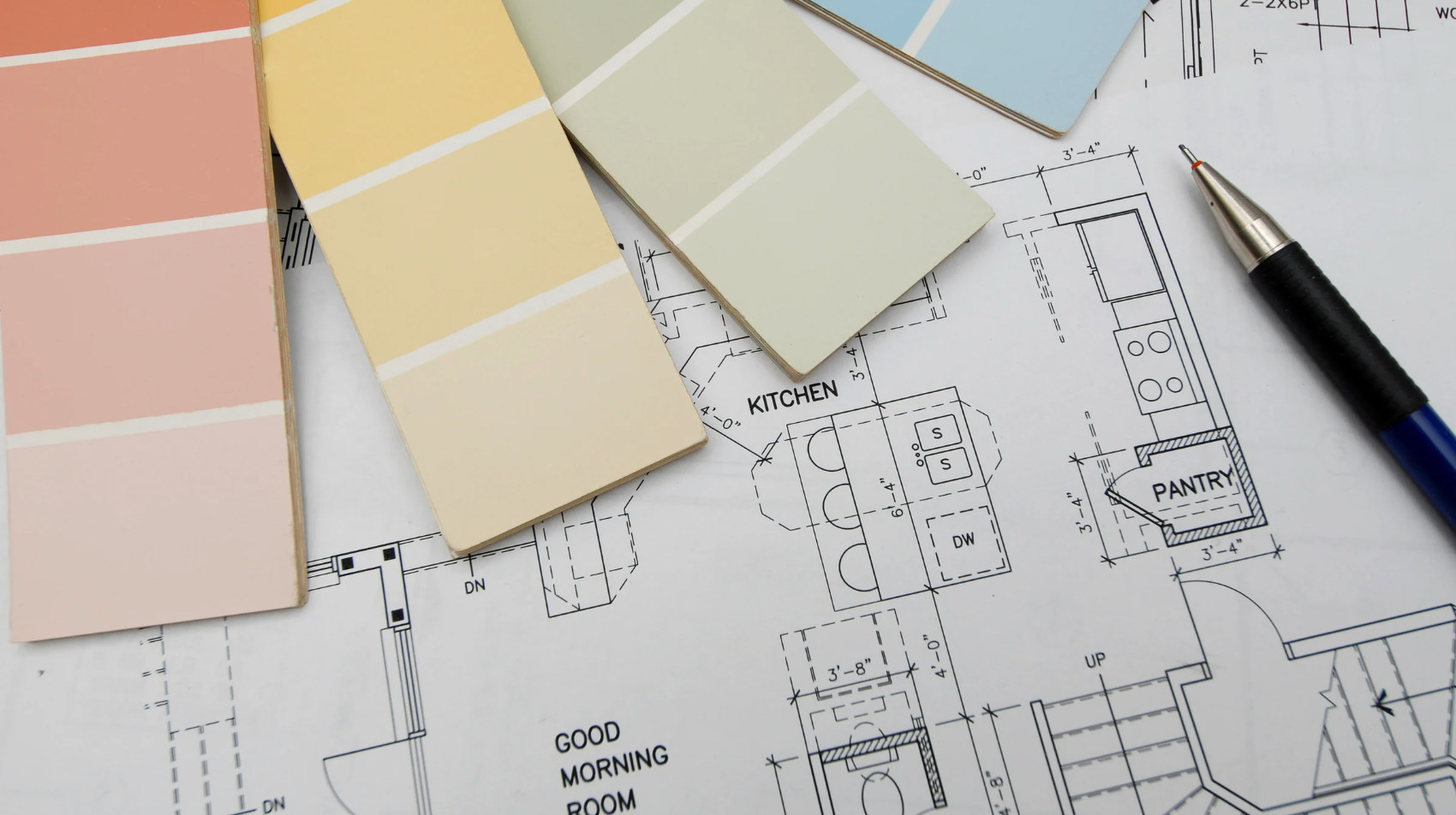
A revolution has quietly transformed interior design. Rigid regulations have dissolved, replaced by deeper explorations of how environments genuinely influence our lived experience. Modern practice integrates established principles with revolutionary ideas that completely reimagine what makes environments successful.
Translating Identity Into Environment
Generic, characterless settings rarely capture attention. Those environments that genuinely arrest our movement reveal authentic aspects of their inhabitants. Emerging design talent must develop abilities to convert individual histories into physical surroundings where people naturally belong.
Each selection within an interior—arrangement decisions, color applications, accent choices—contributes to a comprehensive narrative. Skilled practitioners detect what endures beneath passing fashions. They examine actual usage patterns, joy triggers, and significant personal moments.
Structural components communicate through their configuration. Surface materials establish cadence. Furniture placement orchestrates human interaction. When designers thoroughly grasp these connections, extraordinary transformations happen—spaces resonate with users instinctively, immediately feeling appropriate because they accurately mirror authentic lives.
Marrying Splendor With Practicality
Display-only environments hold limited appeal. Cultural preferences have shifted beyond privileging appearances over usability. Current philosophy mandates spaces function brilliantly while maintaining visual excellence—rejecting trade-offs between these qualities.
Achieving optimal equilibrium between beauty and utility demands genuine understanding of human conduct—recognizing natural circulation paths, social clustering tendencies, and typical environmental usage.
Leading design practitioners possess intrinsic spatial intelligence. Stunning aesthetics mean nothing when rooms frustrate occupants. Successful designs acknowledge movement patterns, establish natural gathering points, and create logical activity zones. Such thoughtful organization produces seemingly effortless environments where life flows seamlessly, with inhabitants seldom recognizing the deliberate planning underlying their comfort.
Unlikely Pairings That Create Distinctive Environments
Conservative selections typically yield unremarkable results. Pioneering design deliberately introduces surprising juxtapositions—such experimental combinations distinguish genuine innovators from conventional practitioners.
Unexpected chromatic pairings like deep jewel tones alongside subtle neutral shades can produce remarkably harmonious effects. These unanticipated combinations energize surroundings, imbuing ordinary spaces with distinctive personality.
Material diversity functions akin to culinary composition; varied elements needn’t precisely match but should form balanced relationships. Progressive designers cultivate boldness to abandon safe formulas, perhaps integrating timeworn pieces with contemporary elements or combining organic textures against precision-finished surfaces. Such deliberate contrasts generate visual dynamism, elevating standard rooms into memorable, discussion-worthy environments.
Engaging All Perceptual Channels
While conventional approaches concentrate primarily on visual impact, boundary-pushing practitioners consider complete sensory experience when crafting environments that stimulate multiple faculties—creating spaces that sound pleasing, feel welcoming, and smell inviting.
Well-chosen aromas don’t simply enhance environmental quality—they forge enduring mental associations. Thoughtful olfactory elements transform attractive settings into meaningful experiences with lasting emotional significance.
Light fundamentally transforms spatial perception. Illumination quality significantly affects psychological states—identical settings evoke entirely different responses based primarily on lighting approaches.
Professionals creating truly exceptional environments must attend to these subtle factors: textural qualities, acoustic properties, and aromatic elements. When designers attentively incorporate these experiential aspects, they produce immersive, multi-dimensional spaces functioning optimally across all sensory registers.
Design approaches emphasizing personal authenticity, seamless functionality, unexpected creative pairings, and comprehensive sensory engagement consistently succeed regardless of shifting fashions. These foundational principles establish meaningful connections between inhabitants and their surroundings—the definitive measure of design excellence.
Interior designers who embrace these principles create environments that resonate deeply with occupants, providing settings where people truly want to live rather than just spaces that follow current trends. Such enduring approaches ensure that design remains relevant, meaningful, and impactful in our rapidly changing world.